Where to Find
Best Platforms for Chiikawa Merch
We source from Japan's top retailers and marketplaces
Compare Chiikawa, Momonga and Usagi plush from Japan. Learn Japanese search terms, check tags and condition, and plan shipping before choosing a listing.
Find exactly what you're looking for — from collectible figures to everyday items
Compare character, pose, dimensions and fabric condition
Shop now →Check chains, paper tags and the exact named collection
Shop now →Character pouches, bags and small everyday accessories
Shop now →Stickers, notebooks and illustrated paper goods
Shop now →Find merchandise for your favorite Chiikawa characters
We source from Japan's top retailers and marketplaces
Live listings sourced from Japan — click through to see full details and order.


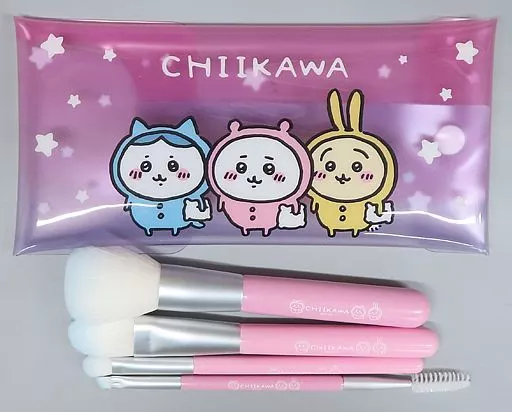


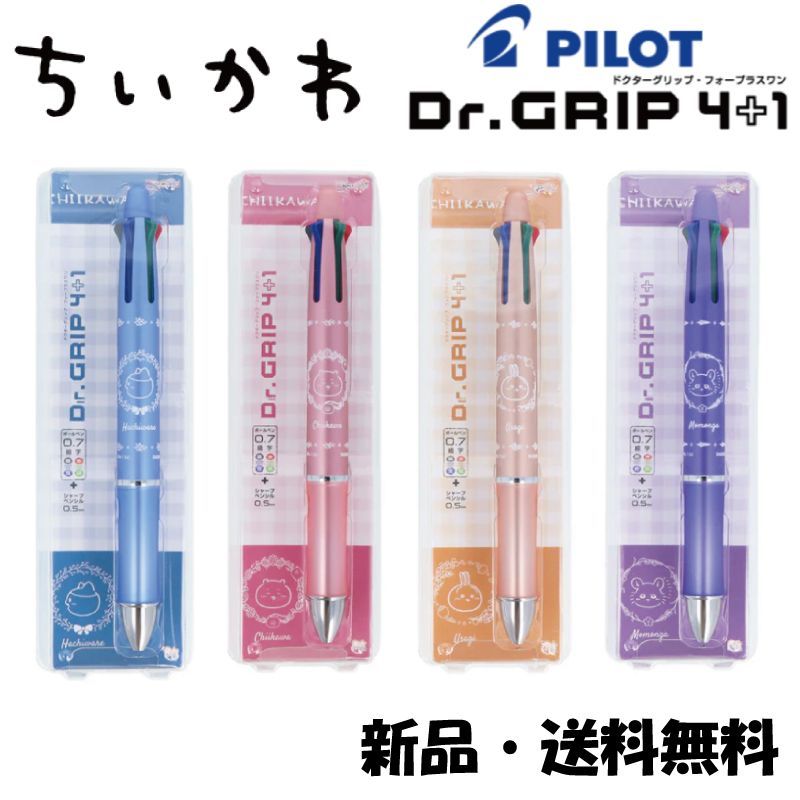


Chiikawa collectibles range from soft toys to small mascots, pouches and illustrated accessories. Identify the character and exact collection before comparing a resale listing with an official reference. The buying guide covers Momonga and Usagi searches, paper tags, fabric condition and parcel planning.
Choose a character, a product format and a named release before comparing prices. Chiikawa merchandise includes soft toys for a shelf, small mascots for a bag and flat accessories that only use a character illustration. A listing headed Momonga can describe any of these. Read the full product name and dimensions rather than relying on a close-up photograph. A large photograph does not mean a large plush. Decide whether you want the ordinary character design or a particular costume, expression or collaboration. Keep the Japanese release name when saving candidates, because two white Momonga toys can belong to different collections. The same approach works for Chiikawa, Hachiware and Usagi: compare the actual item, not just the character or the cheapest result. Chiikawa is created by the illustrator Nagano (ナガノ), and the official Chiikawa Market carries the ©nagano credit; it is not a Sanrio or San-X character.
| Japanese term | What to check before buying |
|---|---|
| ぬいぐるみ | A plush toy; confirm the height and whether it sits or lies down. |
| マスコット | A smaller character item; a chain or strap is not guaranteed. |
| キーホルダー | A keychain, which may be acrylic, rubber or fabric rather than plush. |
| ポーチ | A pouch; check usable space and closure as well as appearance. |
For a Momonga plush, search モモンガ together with ちいかわ and the collection name. Chiikawa Market's official Momonga list, titled モモンガ ぬいぐるみ・マスコット, shows plush toys and mascots together, so read each product name to see which format it is. The list is still useful for identifying the wording of a release even when that item is unavailable there. Match the ears, tail, face and costume against the exact reference, then compare the seller photos. A paper hangtag, a sewn label and the original bag are separate parts of the condition description. A seller may keep the toy unused while removing its tag or replacing its bag. Ask for clarification before ordering if your collection requires all three. A low price, a Japanese location or a tag in a photograph cannot by itself establish authenticity. Look at the whole listing and the seller history.
Compare names in the official Momonga plush and mascot list →
Use ちいかわ うさぎ ぬいぐるみ for an Usagi plush, or substitute マスコット if you want a small bag companion. Usagi is also the Japanese word for rabbit, so the character name alone can return unrelated toys. English phrases such as fat Usagi plush describe an appearance rather than a unique official product name. Check the collection name, pose and stated measurements to work out which release a seller means. Some photos show a group of characters although only one is for sale. Read the quantity and any circled selection carefully. A set listing should say which characters are included; do not assume Chiikawa and Hachiware accompany Usagi simply because they appear in a promotional image. Match the listing description to the actual photographs.
Treat the market of sale and the place of manufacture as separate questions. Buying a toy from Japan does not mean it was manufactured in Japan, and a Japanese-language label does not automatically mean a Japan-exclusive release. Packaging, label language, distributor information and the contents of a collaboration can vary between products. Check the exact release against the official product description rather than assuming that every Japanese listing has a different design from an American one. If you need a specific domestic version, request clear label photographs before committing. Avoid paying an exclusivity premium based only on a seller title. Conversely, a genuine overseas release may still be the right choice if your priority is the character design rather than a particular label or retail channel.
Plush condition depends on storage and handling as well as whether someone has played with it. An unopened bag may still have been stored for a long time; an untagged toy can be clean but incomplete for a tag-focused collector. Check close-up photographs around the face, tail, seams and any chain attachment. Ask about odours if that matters to you, because photographs cannot show them. Do not infer that a seller has washed a toy unless the description says so, and do not assume every fabric accessory is washable. Read any care instructions supplied with the actual product. For a gift, decide whether bag condition and presentation matter before comparing an opened example with a sealed one.
Start with official product information to identify a release, then compare listings on Japanese retail and resale channels. Mercari can help locate an older mascot offered by an individual owner, while a specialist secondhand shop such as Suruga-ya may describe its stock using a shop condition policy. Rakuten and Amazon Japan contain listings from different sellers, so the platform name alone does not identify the source. Read the seller and the particular listing terms. An old catalogue entry does not prove that a shop currently has stock. A marketplace asking price also does not establish an official retail price or a fair resale value. Compare several matching examples with the same tags and accessories, and confirm that the buying route supports the seller before placing an order.
Budget for the item price, any charged delivery inside Japan, the service fee shown for your order, international shipping and any applicable destination charges. Large soft toys can take up substantial parcel space even when they are light. A set of small mascots and one oversized plush therefore need different estimates. Consolidating purchases can change the parcel size; it does not guarantee a cheaper final shipment. Keep protective packaging where a toy has delicate ears, an attached prop or a presentation box. If you need the original outer bag, say so before asking about repacking. Use the calculator for an estimate based on your destination and package assumptions, then review the available shipment options and final charges when the parcel is ready.
Write down the character, release name, quantity, dimensions, tag condition and any missing accessories for each candidate. A bulk lot may include duplicates or items outside the series you want. バラ売り不可 means the seller does not offer individual pieces from that lot, so do not plan on purchasing only the photographed Momonga. Check whether a stand, chain or display prop belongs to the sale. If the listing is a preorder, distinguish its expected dispatch information from an in-stock purchase and check whether combining shipments is possible. Save the description that answers these questions before ordering. When comparing the live items on this page, open the product details for the current price and availability; the guide explains how to choose, while each listing defines the actual purchase.
Last updated:
Discover merch from other top anime series


